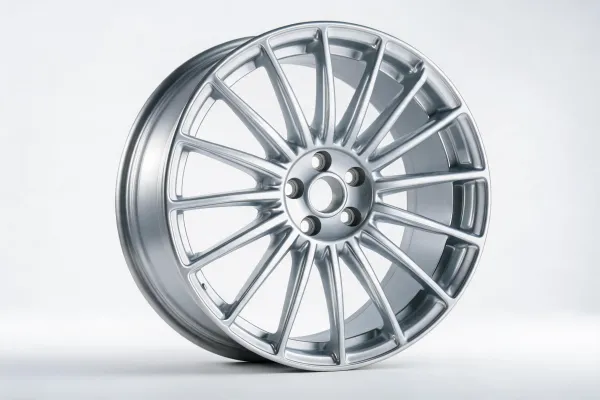
Wheels
Record diameter, width, PCD and offset.
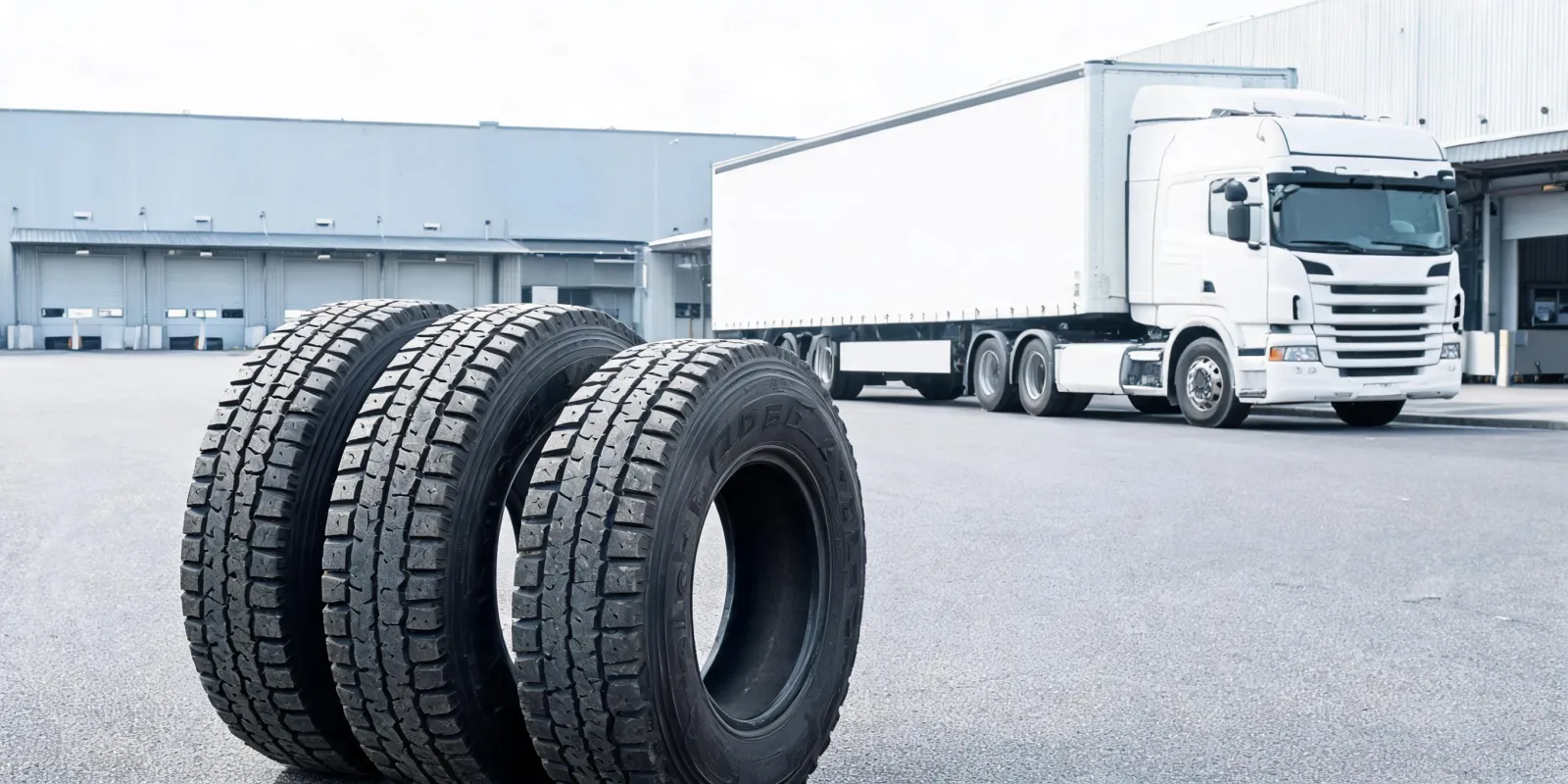
Continental Tires / sourcing
Start with tire size, load, speed and operating conditions. Make your passenger or commercial tire inquiry easier to review.
Product families
Identify the part and the interface before comparing options.
Record diameter, width, PCD and offset.
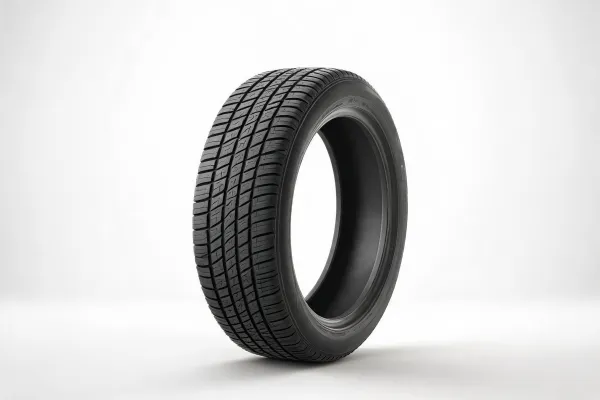
Compare size, load index and speed rating.
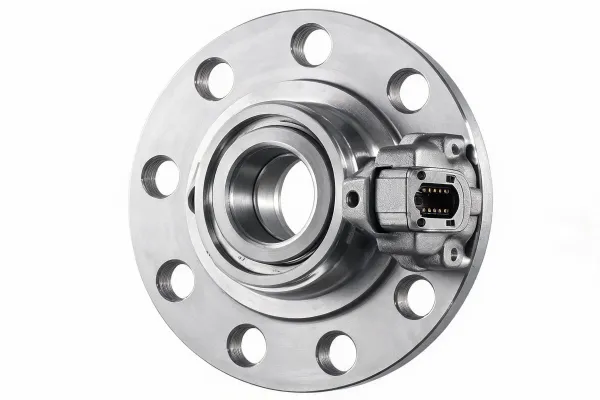
Review flange and sensor interfaces.
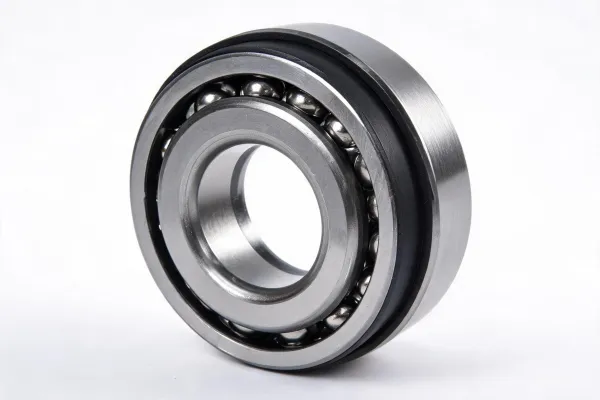
Confirm dimensions and sealing.
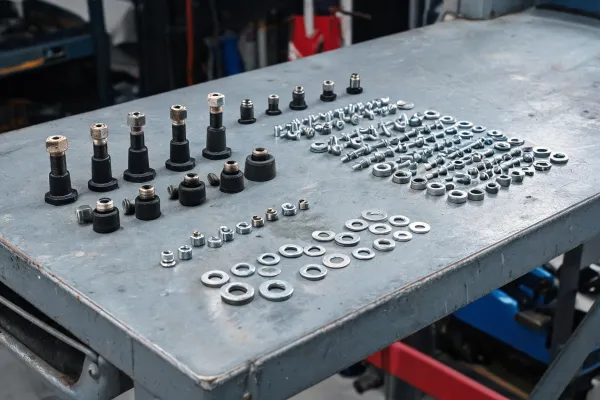
Define hardware and replacement scope.
Agree on size, load, speed and vehicle application before comparing a tire.
Separate sample evaluation, laboratory testing and operating duty checks.
Identify the evidence and destination-market requirements relevant to the product.
Discuss identification and records needed for the intended purchasing program.
Balance size, road use and speed requirements.
Define axle position, load and replacement intervals.
Plan quantities around the assortment and destination market.
Tire inquiry checklist View checklist →
Application review View process →
Product evidence Request documents →
Prepare your RFQ
Share the size, axle, load, road conditions, destination and quantity. Include the evidence you need for your review.