Identify the vehicle
List the platform, model year and axle position, along with the existing tire size and relevant service conditions. Provide a VIN or OE reference where it helps the review.
Specification and validation
Turn an application brief into a reviewable tire request, with the intended use and evidence requirements stated clearly.
Discuss a program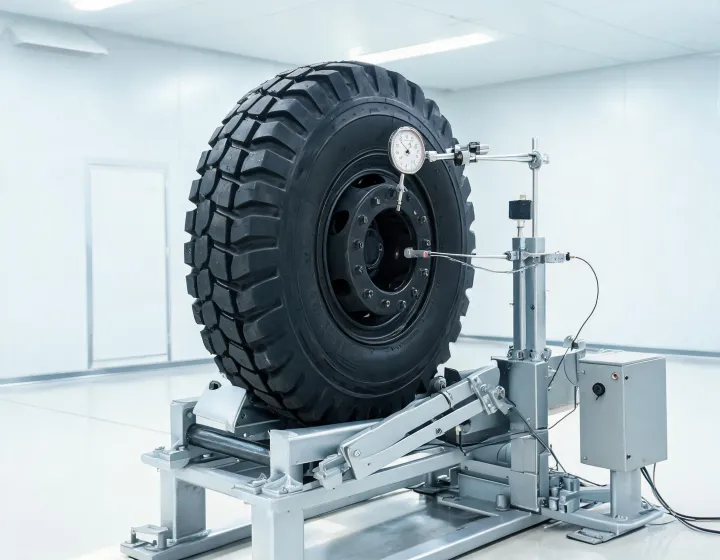
List the platform, model year and axle position, along with the existing tire size and relevant service conditions. Provide a VIN or OE reference where it helps the review.
Document load, speed, road surface, climate and expected mileage. A steer axle on regional routes and a trailer in long-haul service may need different priorities.
Define the sample, test method and acceptance criteria before comparing results. Separate a controlled rig test from an on-road duty-cycle evaluation.
Specify what product identification, batch information and documentation should accompany the purchase decision.
Laboratory testing can isolate defined load, speed and environmental conditions. Request the method, sample configuration and limits so that results are comparable.
Field review captures the duty cycle, maintenance practices and road conditions that influence tire wear. Record these conditions alongside any performance observations.
Include the vehicle, size, axle, load and intended market, plus expected quantities and timing.
No. Applicability depends on the product and market. Request documentary evidence for the specific item under consideration.
Tell us which decisions remain open and what documentation your team needs.